 In 1999, I went to a writers’ conference where one editor claimed that books for children must have the child hero or heroine alone completely solve the problems raised. I was astounded by this narrow-minded claim, which would nullify the Mrs. Piggle-Wiggle stories, the Harry Potter novels, the adventures of Curious George, and many other fine books for children. In real life, adults including parents, coaches, and teachers often help kids to solve problems. The editor’s rule does not stand up to scrutiny.
Samuel Johnson wrote in the 1700s that the human imagination does not tolerate limits. Johnson was attacking the neoclassical rules for dramas, but his point extends to all forms of literature. It is not healthy for editors or pundits to insist that literature always must fall within certain boundaries and obey rigid laws. Literature opens people’s minds to new ideas and new experiences and new environments. Literature cannot accomplish its goals if writers must obey stereotypes.
Originally posted on June 4, 2010
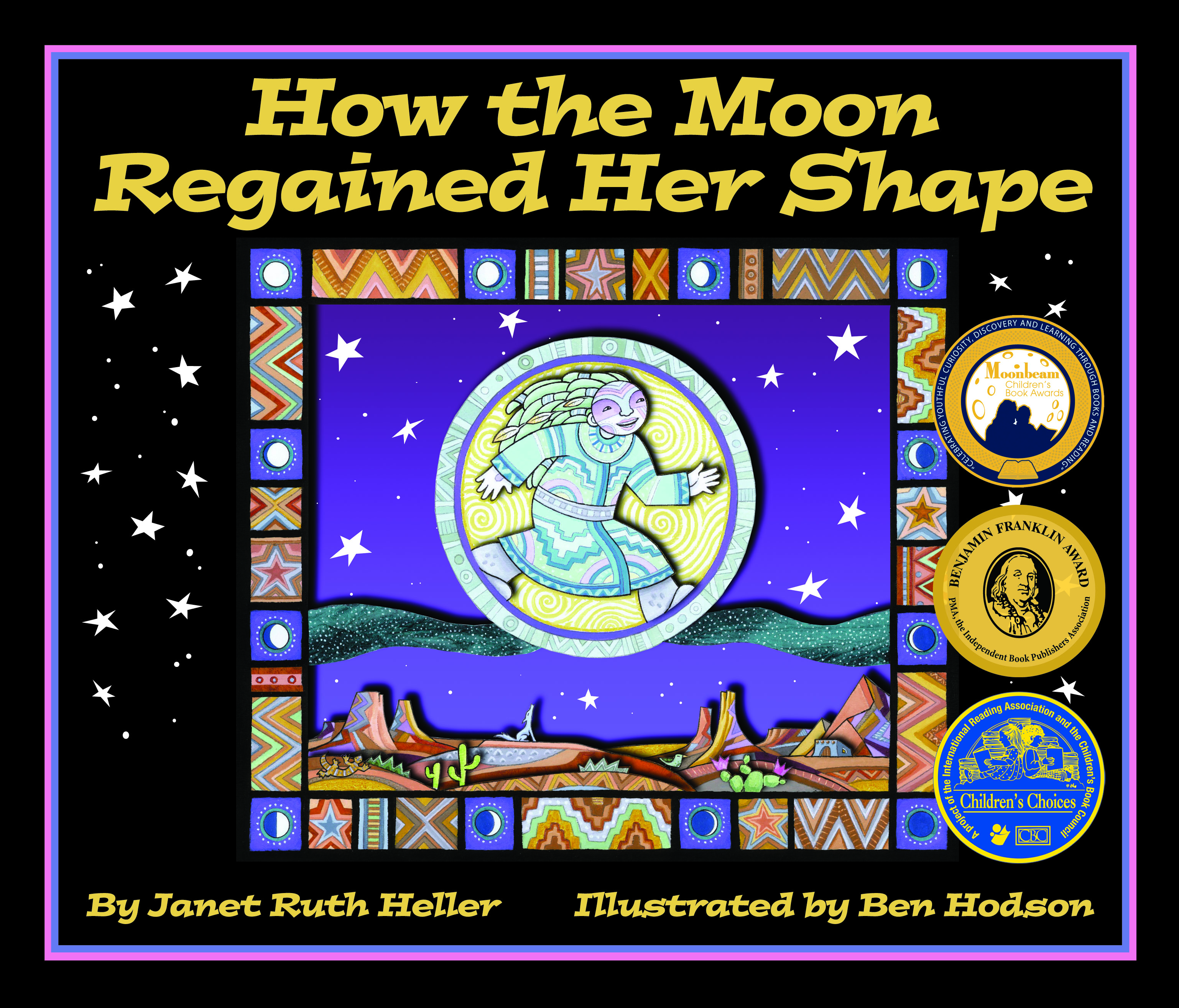
My award-winning book for children about bullying, How the Moon Regained Her Shape (Arbordale, 2006), has various characters who help the moon to understand and to recover from bullying.
